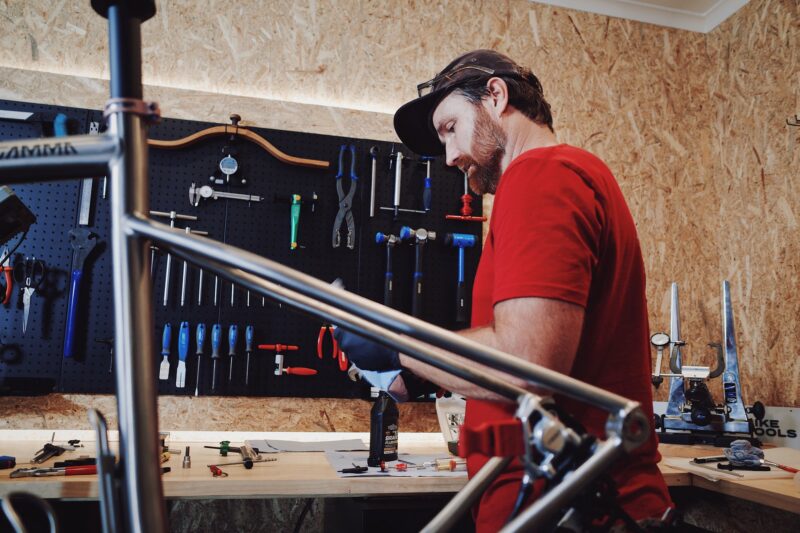
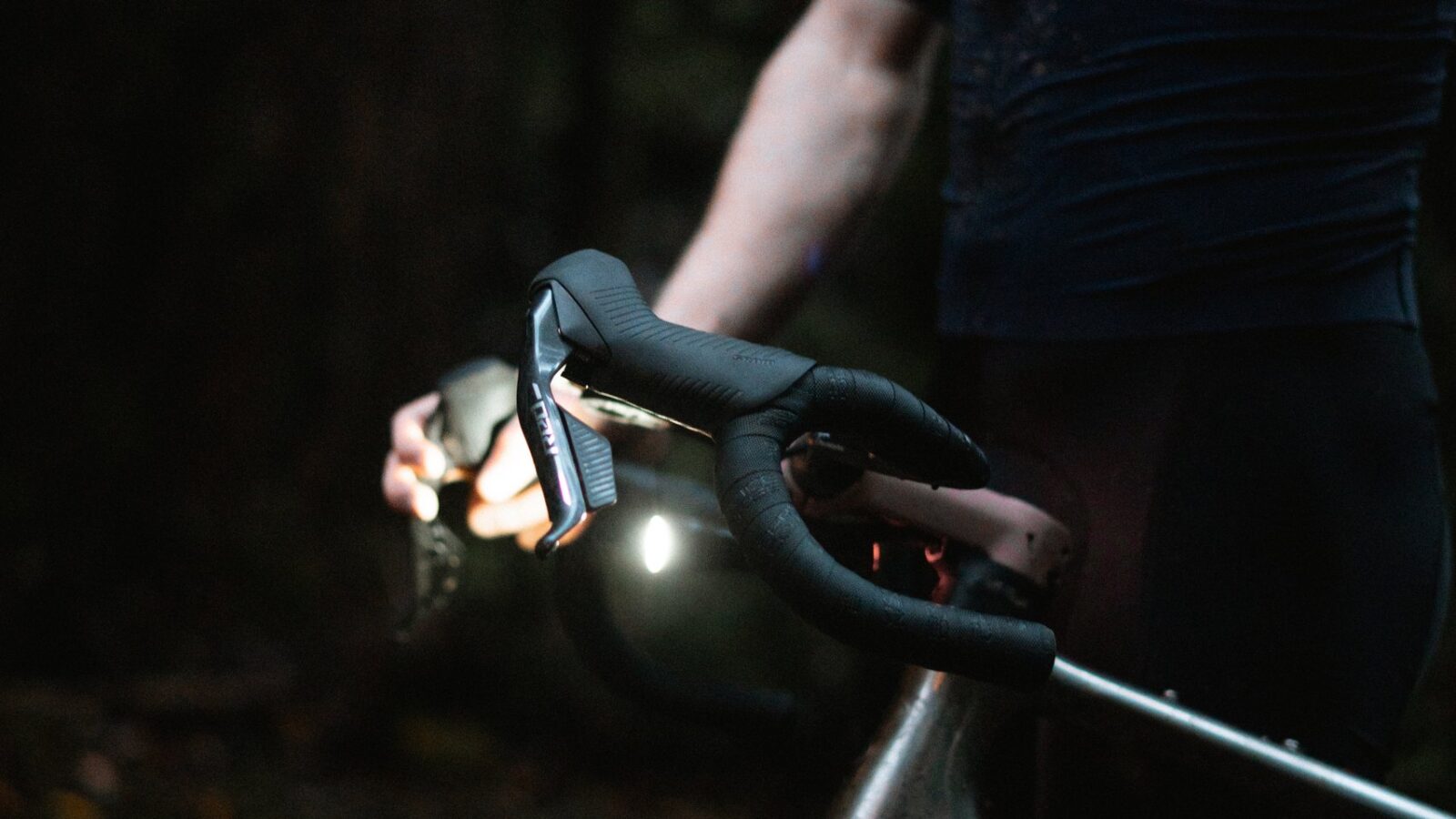
Material matters, but gravel bike geometry gives the bike its posture. A titanium frame can feel calm, durable, and comfortable, yet the wrong fit numbers or handling choices will still make it feel wrong after a few hours.
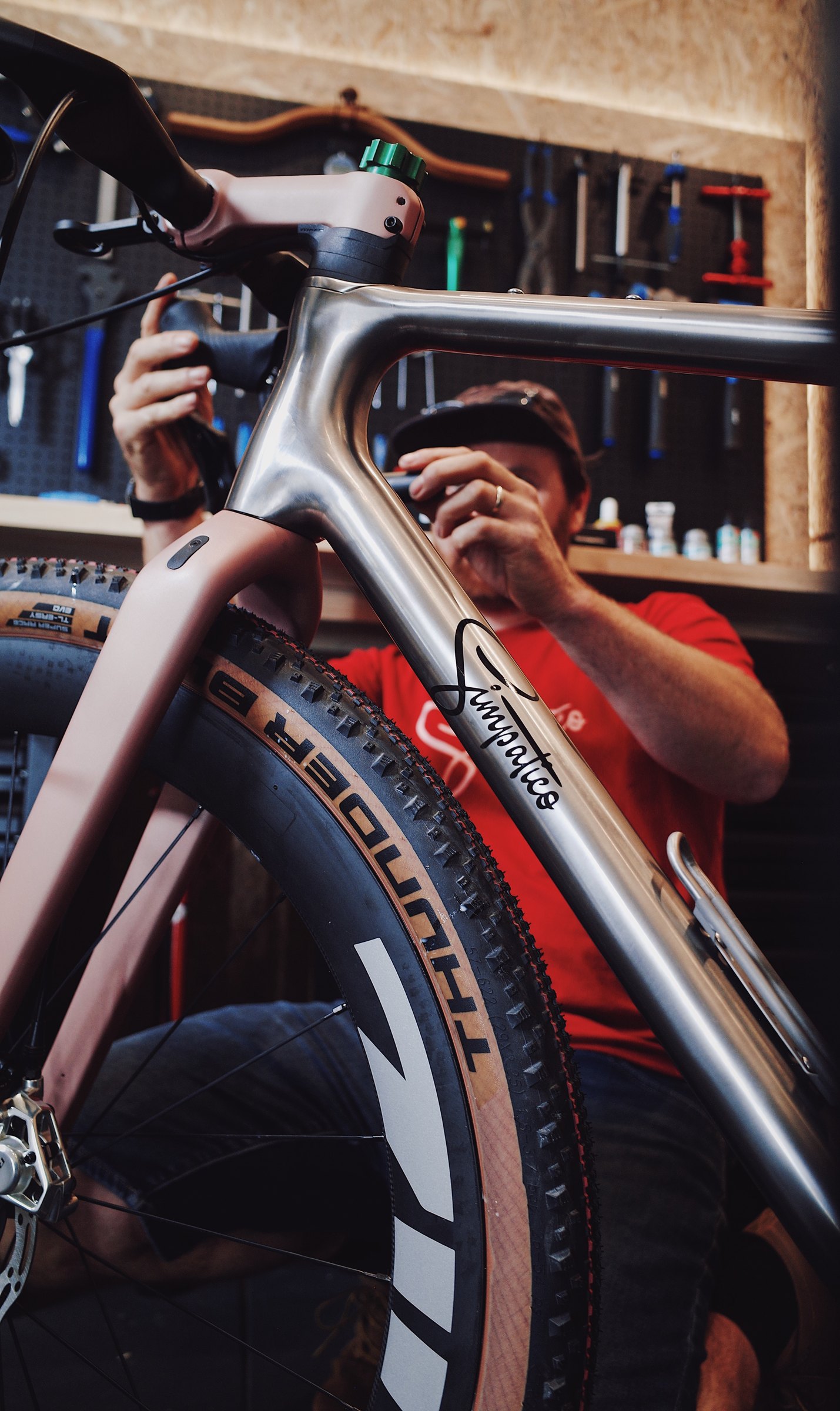
Gravel bike geometry: the numbers that matter
Stack and reach come first because they shape your position before any tire or wheel choice enters the discussion. Stack tells you how tall the frame is at the front. Reach tells you how long it is. Together, they decide whether you can ride with control and comfort without forcing the cockpit to do all the work.
Wheelbase, front center, head angle, fork offset, and trail shape steering. A longer wheelbase usually feels calmer at speed. More front-center length can add room and confidence when the front wheel moves across rough ground. Trail affects how strongly the bike self-centers as it rolls through corners and loose surfaces.
| Geometry number | What it affects | What to watch |
|---|---|---|
| Stack | Handlebar height and upper-body position | Too low can feel strained on long gravel rides |
| Reach | Room from saddle to bar | Too long can reduce control off-road |
| Wheelbase | Stability and line holding | Longer often feels calmer, but less sharp |
| Trail | Steering feel | Higher trail can feel steadier on loose terrain |
| Bottom bracket drop | Center of gravity and pedal clearance | Lower feels planted, but terrain and crank length matter |
How tire clearance changes geometry feel
Tire size changes more than comfort. A larger tire raises the bike, changes steering feel, and gives you more room to reduce pressure on rough ground. A smaller tire can feel faster on smooth surfaces, but it gives away margin when the road breaks up. Our bike tire size guide covers which widths suit which riding.
That is why gravel geometry and tire clearance belong in the same conversation. If you plan to ride rocky roads, wet farm tracks, or long mixed routes, you need room for the tire that suits the terrain. Our gravel tire clearance guide explains how much room to leave.
Gamma Race, Gamma X, and N1 use geometry for different jobs
The Simpatico Gamma Race titanium gravel bike focuses on fast gravel handling with space for modern gravel tires. The Simpatico Gamma X gives riders a rougher-terrain direction with more comfort and control in the setup. The Simpatico N1 all-road bike sits closer to road and endurance use while keeping enough tire room for mixed riding.
Each bike uses its geometry for a different job. The right one depends on whether you want speed on smoother gravel, comfort and control on rougher routes, or a road-leaning bike that can take imperfect surfaces in stride. Our comparison of gravel bikes vs road bikes puts the N1 and Gamma Race numbers side by side.
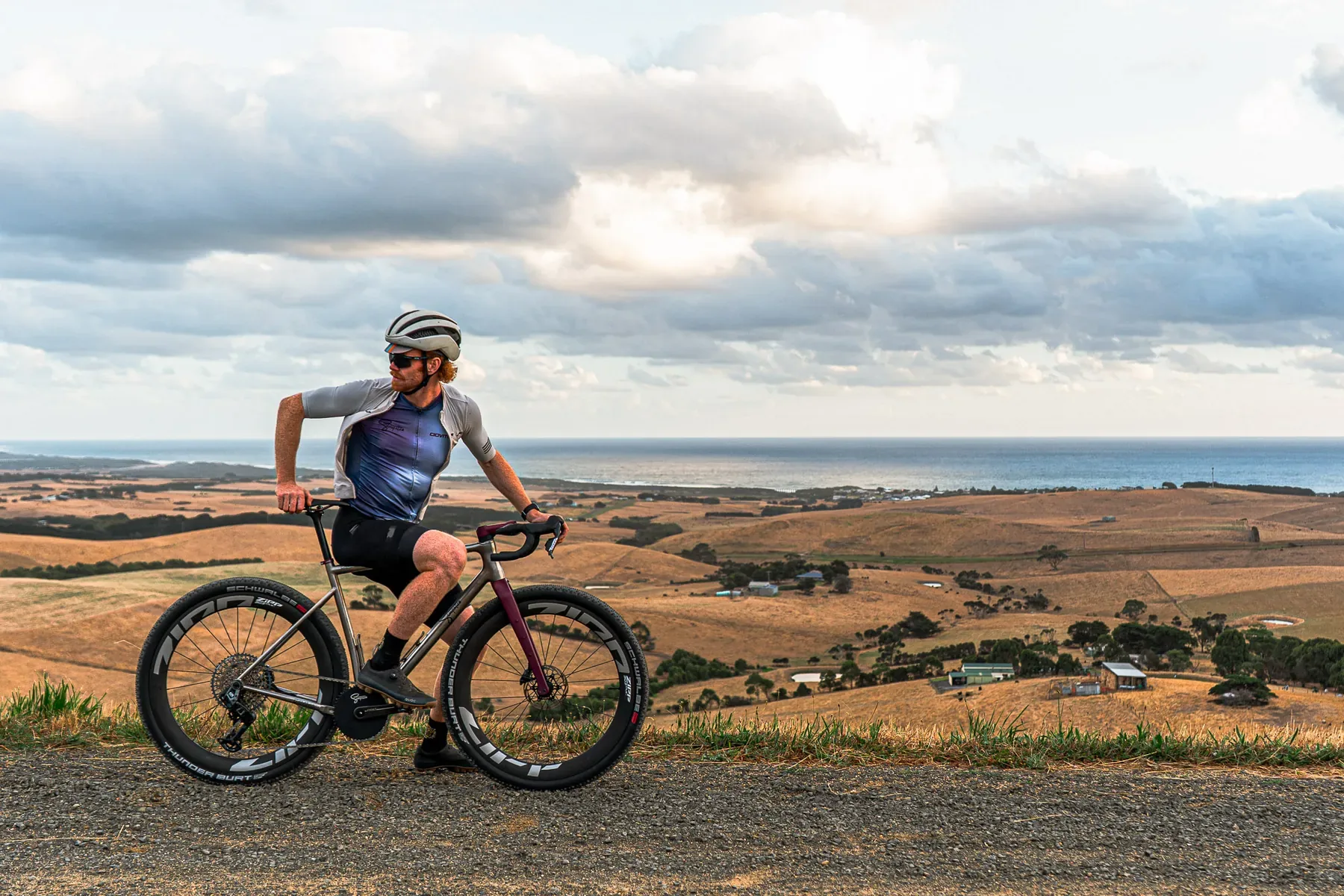
How to compare gravel bike geometry before buying
Do not start with the model name. Start with your current bike, if you have one. Measure or look up its stack, reach, saddle height, stem length, spacer height, bar width, crank length, and tire size. Then compare what you like and what you want to change.
If your current bike feels nervous on loose descents, look at front-end stability and tire room. If it feels slow on road sections, look at position, tire choice, and how much stability you are carrying. If your hands, neck, or hips complain on long rides, start with stack, reach, and cockpit setup.
Which geometry should you choose?
Choose the geometry that matches your hardest regular ride, not the easiest one. A bike that only feels good on perfect pavement will not help much when your route includes corrugations, loose corners, and long dirt climbs. A bike that only feels good on rough trails may feel dull on fast group rides.
Use the Simpatico size chart and our gravel bike sizing guide as the starting point, then compare Gamma Race, Gamma X, and N1 by the terrain you ride most and the position you can hold for hours. Our guide to choosing a titanium gravel bike covers the other checks before you buy.