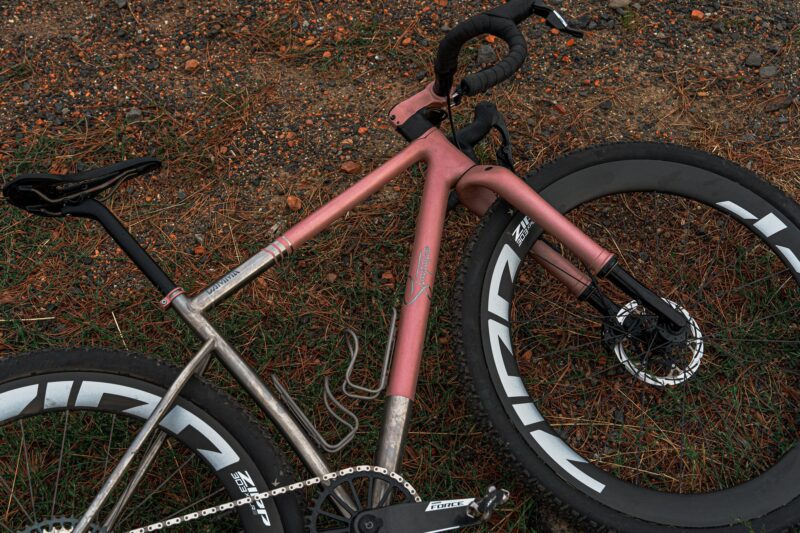
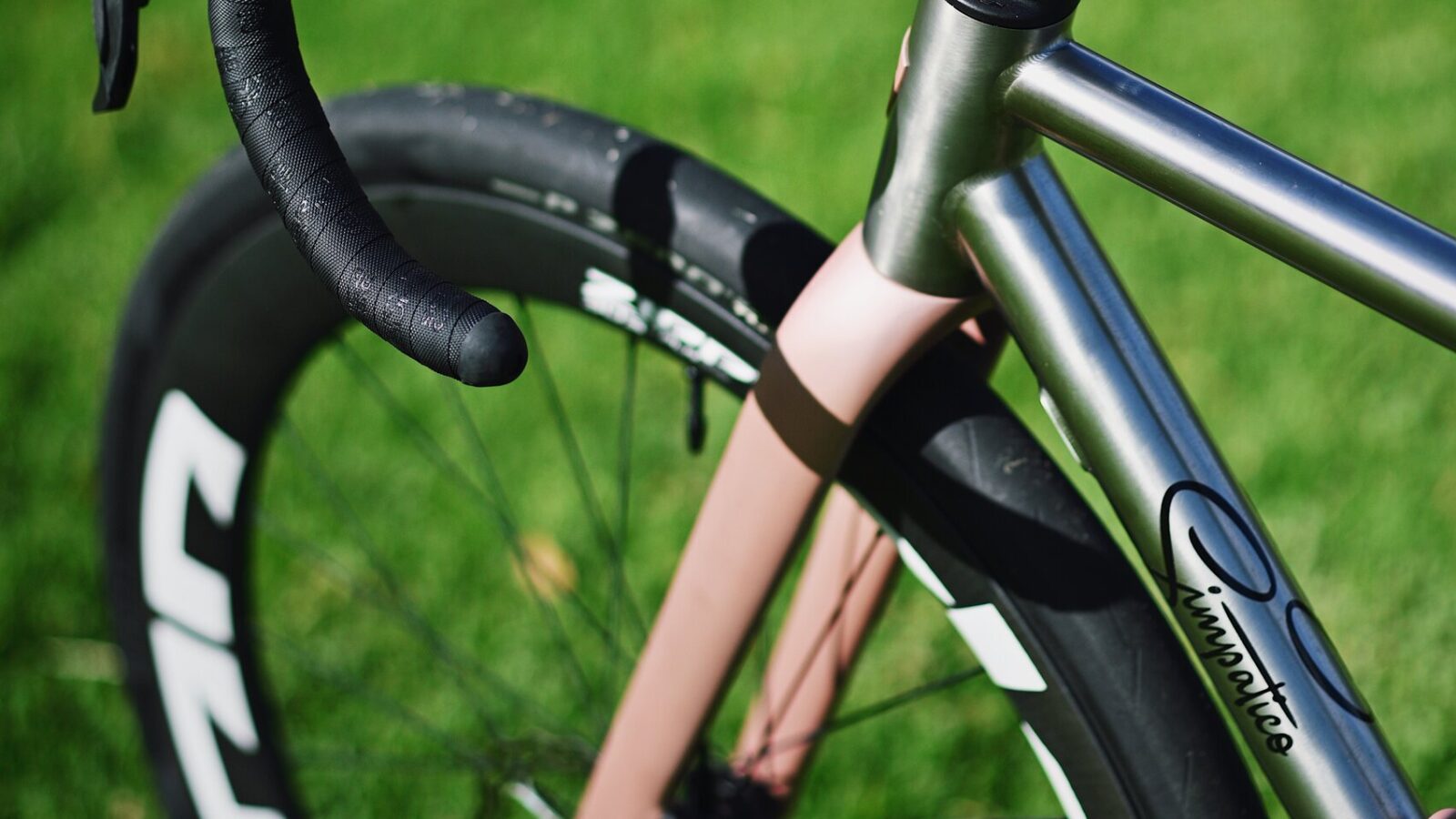
Many riders arrive at a titanium road bike frame after living with lighter race bikes that feel sharp but fragile, or endurance bikes that solve comfort without feeling special. A good titanium road or all-road frame gives you a different path: long service life, repairability, and a ride feel that stays calm when the road surface gets rough.
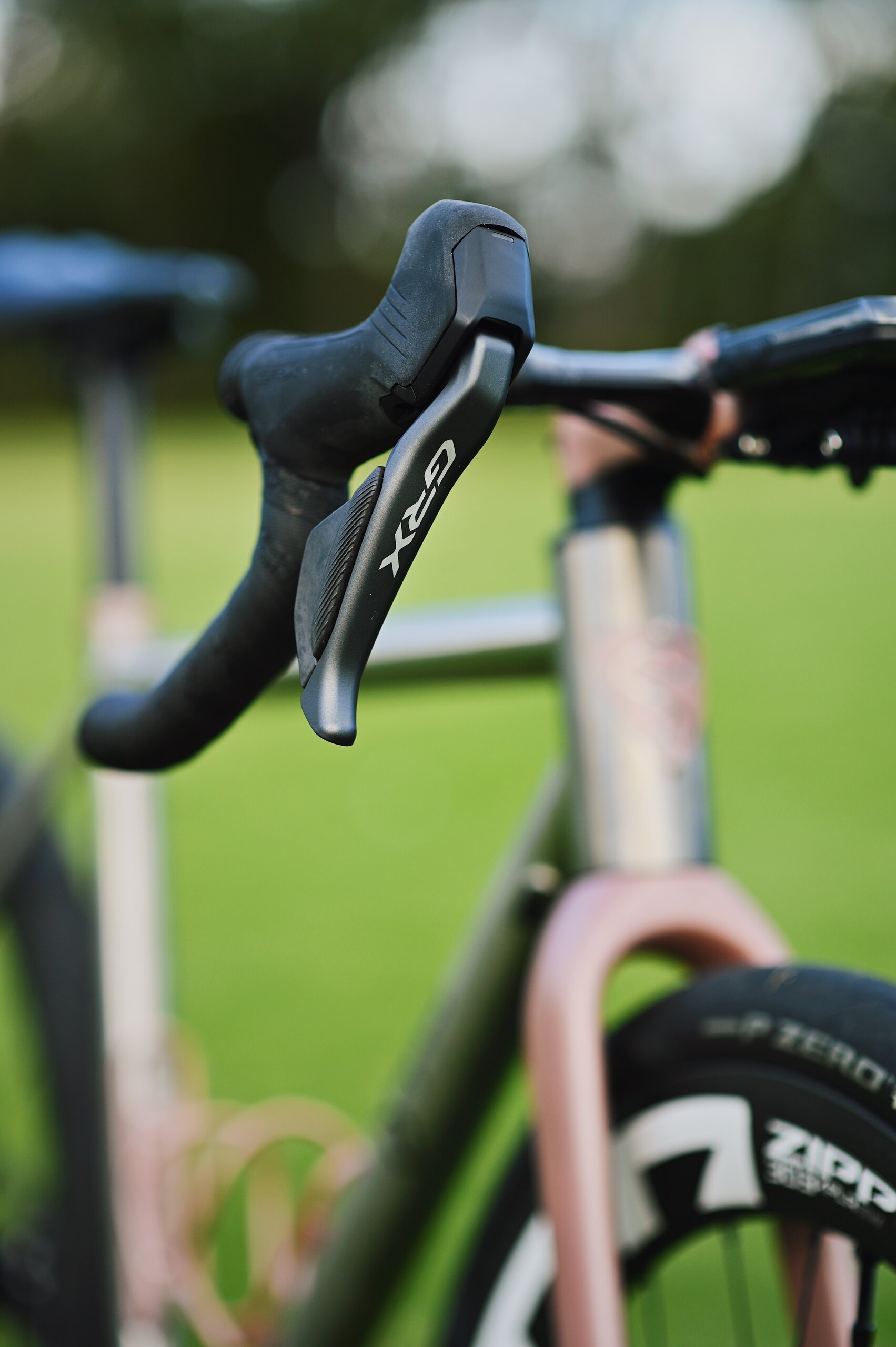
Titanium road bike frame: what you are really choosing
A road frame is more than a material choice. Fit decides whether you can hold the position. Geometry decides how the bike steers and how much stability it carries. Tire clearance decides whether the bike stays useful when the route includes rough chip seal, wet shoulders, or fast dirt connectors.
Titanium adds durability, corrosion resistance, and a distinct ride feel, but it does not rescue the wrong frame choice. Start with the type of road riding you want to do: fast bunch rides, long endurance days, mixed-surface routes, travel, commuting, or one-bike ownership.
| Frame direction | Best for | What to prioritize |
|---|---|---|
| Pure road | Smooth pavement and speed-focused position | Handling precision, fit, efficient tire choice |
| Endurance road | Long days and rougher paved roads | Stack, comfort, stability, tire room |
| All-road | Pavement plus dirt roads and rough shoulders | Tire range, control, gearing, fit flexibility |
When titanium makes sense for road riding
Titanium makes sense when you care about the long ownership horizon. It resists corrosion, handles travel and weather well, and can be repaired by a qualified titanium specialist if damage allows it. That matters for riders who want one frame to stay useful through many seasons of changing tires, wheels, routes, and fitness.
The material also suits riders who want a composed feel without turning the bike into a soft cruiser. A good titanium frame still needs clear handling intent. It should feel steady under load, clean through corners, and comfortable enough that you want to keep riding when the pavement turns coarse.
How fit and geometry shape a titanium road bike
Road fit often asks for a lower, longer position than gravel fit, but not every rider needs a race posture. Stack and reach matter more than the size label. So do spacer height, stem length, bar width, crank length, saddle position, and hood placement.
If you are choosing between a road bike and an all-road bike, think about the position you can hold after three hours, not only the position that looks quick in a photo. A small fit mismatch can make an excellent frame feel wrong.
Where all-road bikes fit
An all-road bike keeps road-bike speed in view while adding tire clearance and control for rougher surfaces. That makes sense for riders who spend most of their time on pavement but do not want to avoid broken roads, dirt connectors, or light gravel.
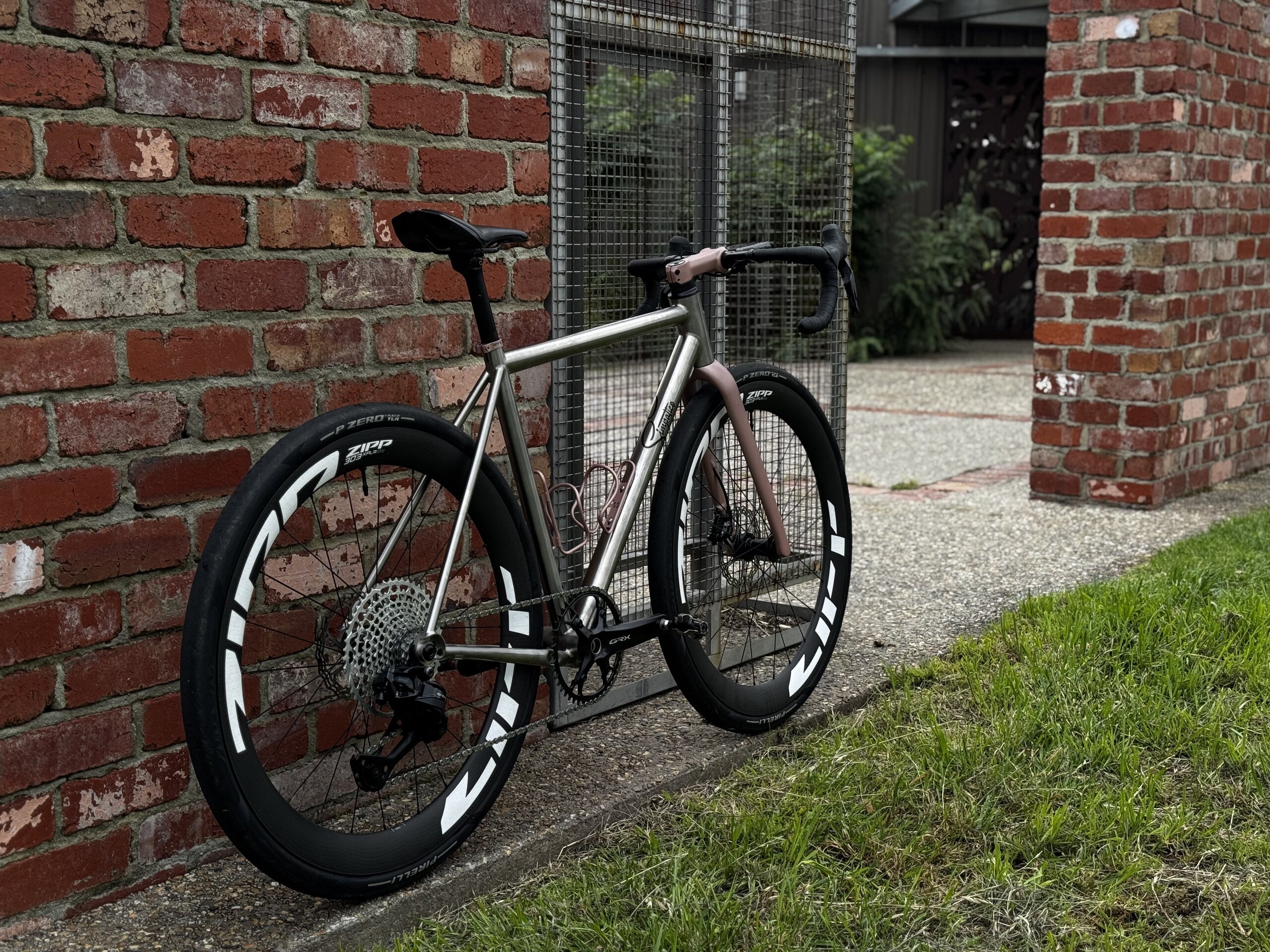
The Simpatico N1 all-road bike belongs in this space. It is fast on 35 to 40 mm road tires, especially on our Nvisage AR45 or AR65 wheels, and it is a real gravel bike on hardpack with 45 mm tires on 2x or 48 mm on 1x. Our guide to endurance road bikes and wider tires covers the road setup. If your riding leans rougher and more gravel-focused, compare it with the Simpatico Gamma X and Simpatico Gamma Race.
What to check before buying
Check the size chart first. Then check tire clearance, drivetrain compatibility, service standards, wheel choice, and whether the build gives you the contact points you need. Choose the build for the riding you do, and let the parts list follow from that.
If you want one titanium bike for road speed with more room for imperfect surfaces, start with the N1 model page. If you are still deciding between road, all-road, and gravel, read our comparison of gravel bikes vs road bikes or use a Simpatico workshop conversation to compare fit and route needs before you choose the frame.